
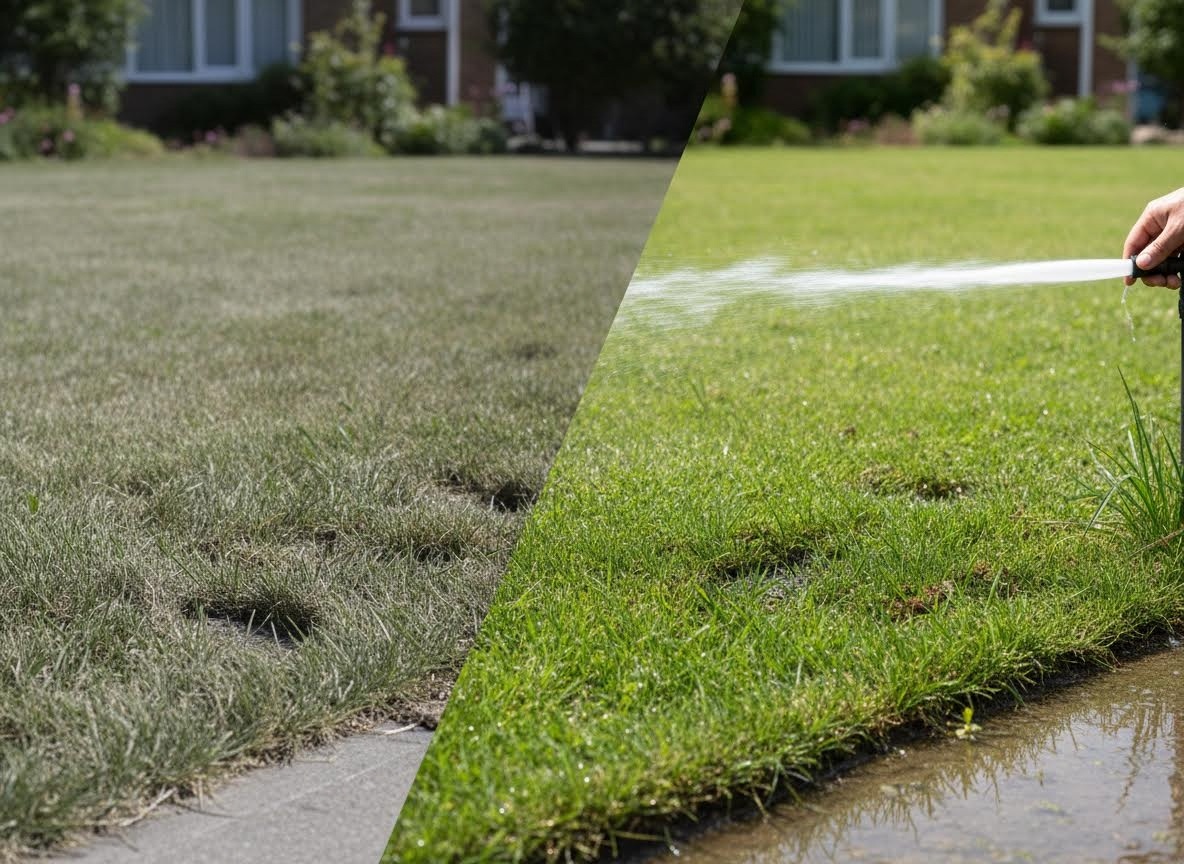
Maintaining a lush, vibrant lawn is a hallmark of a well-cared-for home, but striking the right balance with water can often feel like an elusive art. Too much or too little can lead to a host of problems, diminishing your yard's beauty and health. At Tradewind Irrigation, we understand the nuances of proper hydration and want to help you decode what your lawn is trying to tell you about its watering needs.
Signs Your Lawn Needs More Water
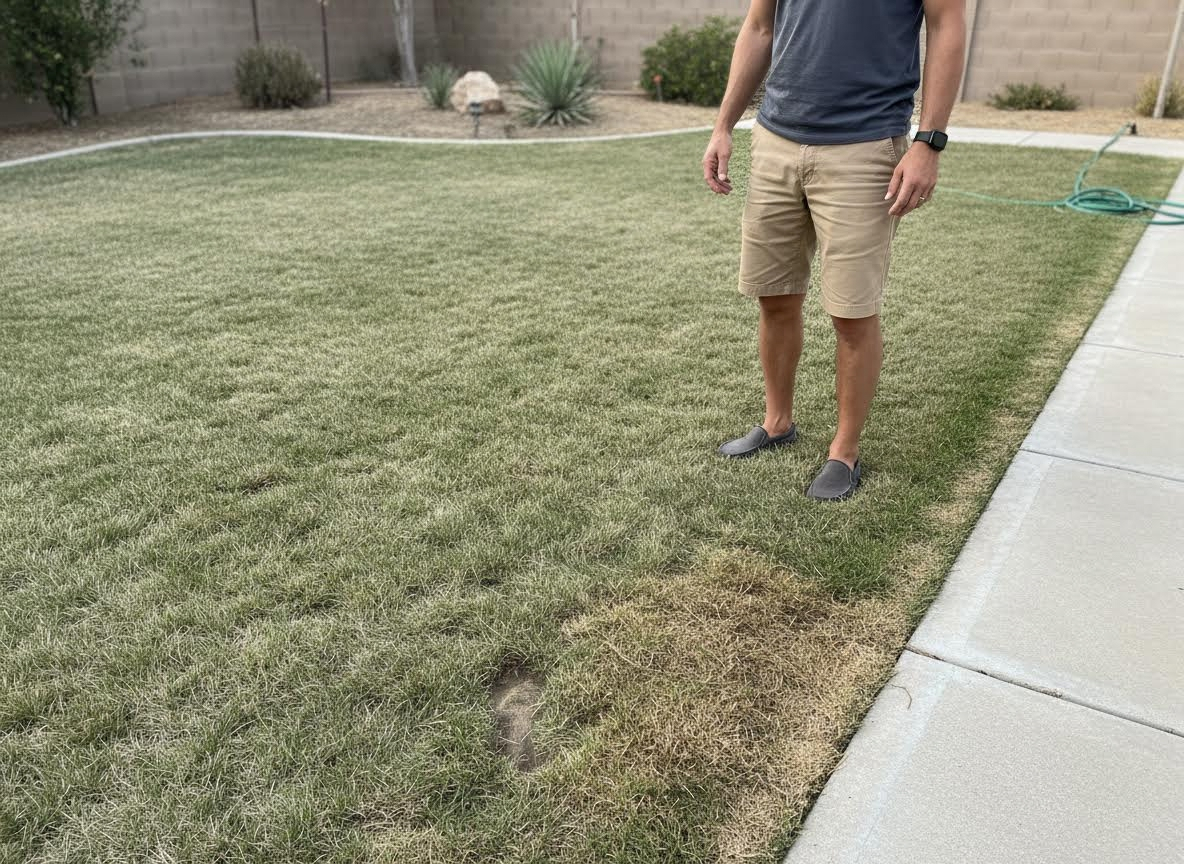
An under-watered lawn often exhibits clear distress signals. One of the most common indicators is a dull, grayish-green color, a stark contrast to the healthy, bright green hue you desire. You might also notice that the grass blades begin to wilt or curl, looking thin and brittle, especially during the hotter parts of the day. A simple "footprint test" can also be telling: if you walk across your lawn and your footprints remain visible for an extended period, it's a sign that the grass blades lack the turgor (water pressure) to spring back up quickly, indicating a need for more moisture. Consistent dry patches, particularly on elevated areas or near concrete, are also strong clues. When your lawn shows these signs, it's time to consider a more consistent or increased watering schedule, possibly through an efficient automatic water irrigation system.
Identifying When Your Lawn is Getting Too Much Water
While it might seem counterintuitive, over-watering can be just as detrimental as under-watering. A lawn receiving too much water may look lush initially, but prolonged saturation can lead to significant issues. Look for a spongy feeling underfoot, as if you're walking on a waterlogged sponge. This indicates saturated soil, which deprives roots of essential oxygen, leading to shallow root growth and increased susceptibility to disease. You might also observe excessive runoff, where water pools on the surface or flows away from your lawn, suggesting the soil can't absorb any more. The presence of fungal diseases, like brown patch or dollar spot, or an increase in weeds that thrive in moist conditions (such as sedge), are also strong indicators of over-saturation. A poorly adjusted sprinkler system can contribute to these issues, making precise control crucial.
The Impact of Imbalanced Watering on Lawn Health
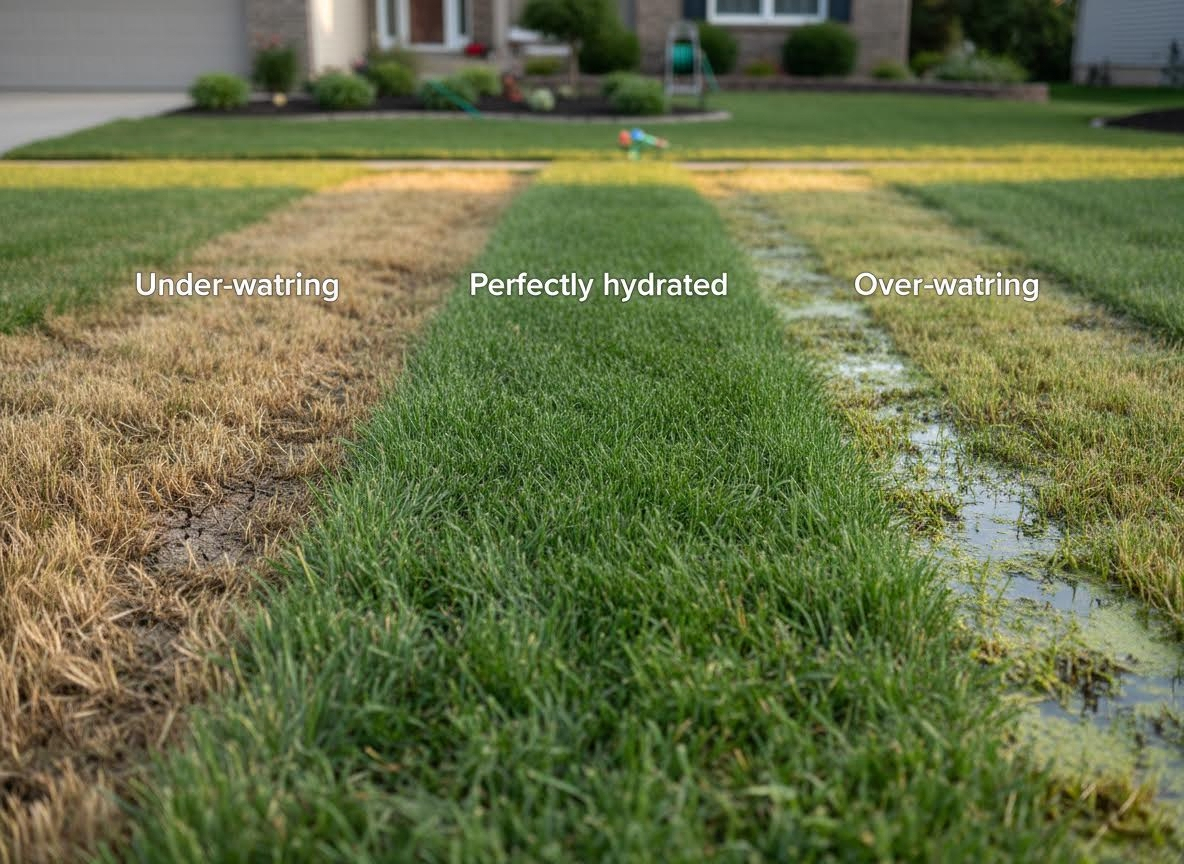
Understanding these visual cues is critical for maintaining the long-term health and aesthetics of your lawn. Both extremes, under-watering and over-watering, stress the grass, making it more vulnerable to pests, diseases, and weed invasion. A properly hydrated lawn, however, develops a deep, robust root system, allowing it to withstand environmental stresses like drought and heat more effectively. Achieving this balance not only enhances your curb appeal but also reduces the need for extensive repairs or costly interventions down the line. Investing in a well-designed watering solution ensures your grass receives exactly what it needs, promoting resilience and vibrancy throughout the year.
Achieving the perfect balance of water for your lawn requires keen observation and a responsive approach to its needs. Recognizing the early signs of both under-watering and over-watering can save you time, effort, and money in the long run, ensuring your grass remains a source of pride. For those seeking a precise and efficient solution, exploring professional irrigation design services can provide a custom automatic water irrigation system tailored to your unique landscape, ensuring optimal hydration without waste. To learn more about how a customized watering solution can benefit your lawn, consider reaching out to a local irrigation specialist.