
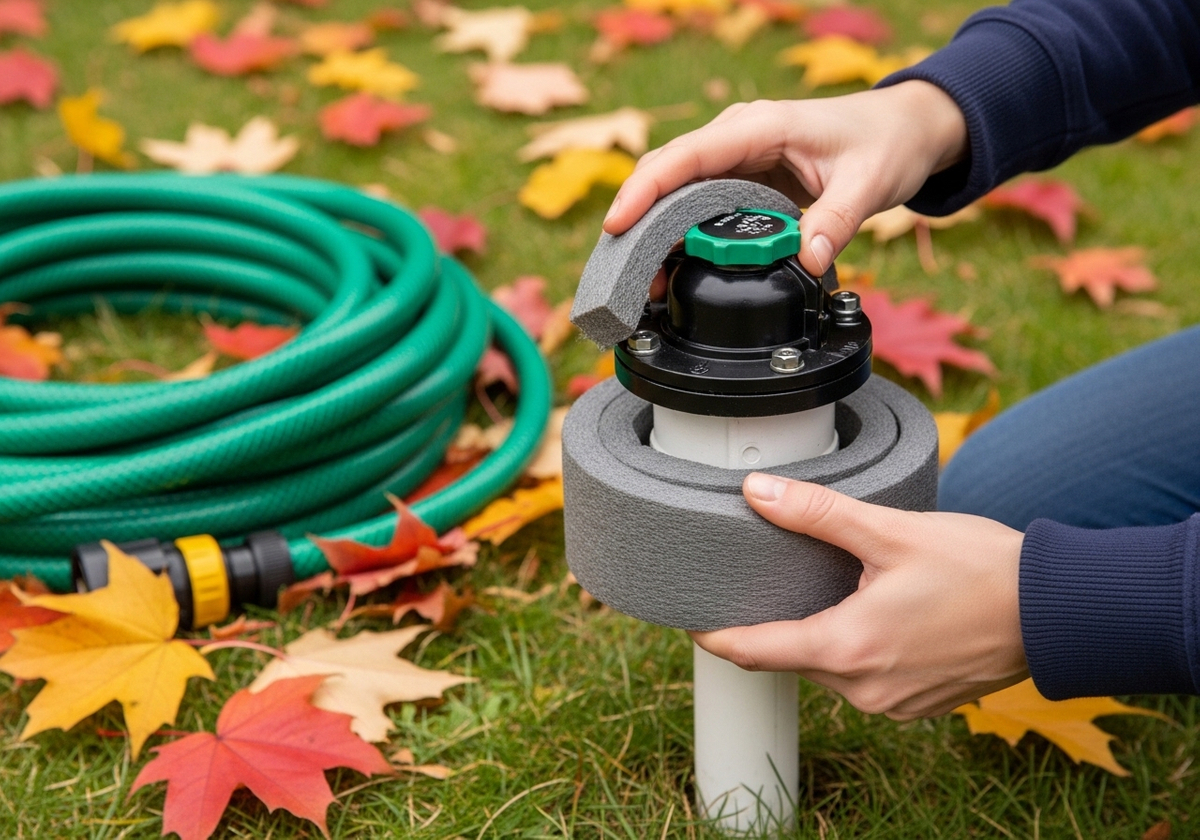
As the leaves change and temperatures drop, it's time to think about preparing your irrigation system for the winter months. Properly winterizing your system is crucial to prevent damage from freezing temperatures and ensure it's ready to go when spring arrives. Here are some essential tips to help you protect your investment:
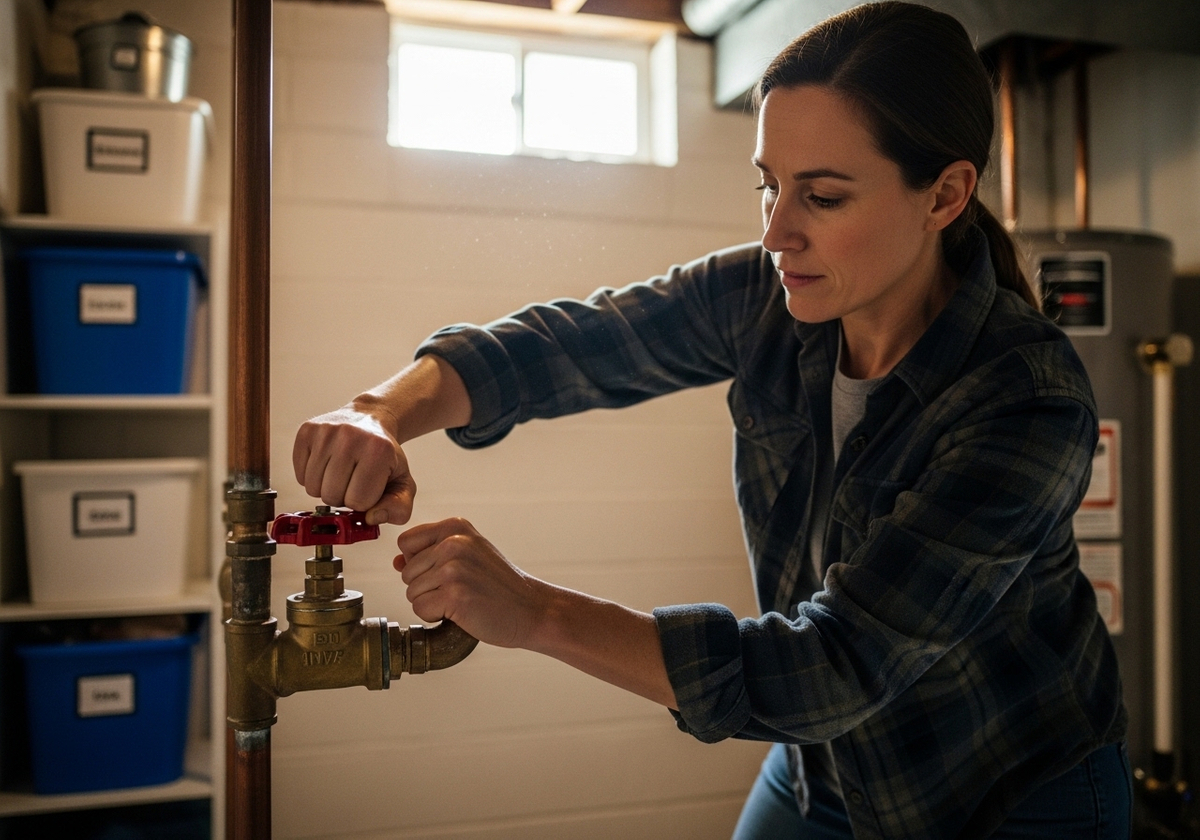
Turn Off the Water Supply
The first and most important step is to shut off the water supply to your irrigation system. Locate the main shut-off valve, typically found in your basement or near your water meter, and turn it off. This will prevent water from entering the system during the winter.
Drain the System
Once the water supply is off, it's essential to drain any remaining water from your irrigation system. There are three common methods for draining your system:
Manual Drain: Open all manual drain valves located at the end of each lateral line and at low points in the system. Allow the water to drain out completely.
Automatic Drain: Automatic drain valves will open automatically when the water pressure drops below a certain level. Ensure these valves are functioning correctly and allow them to drain the system.
Blow-Out Method: Use an air compressor to blow out any remaining water from the system. This method requires caution, as excessive air pressure can damage the pipes and sprinkler heads. It's best to consult a professional if you're unsure about this process.
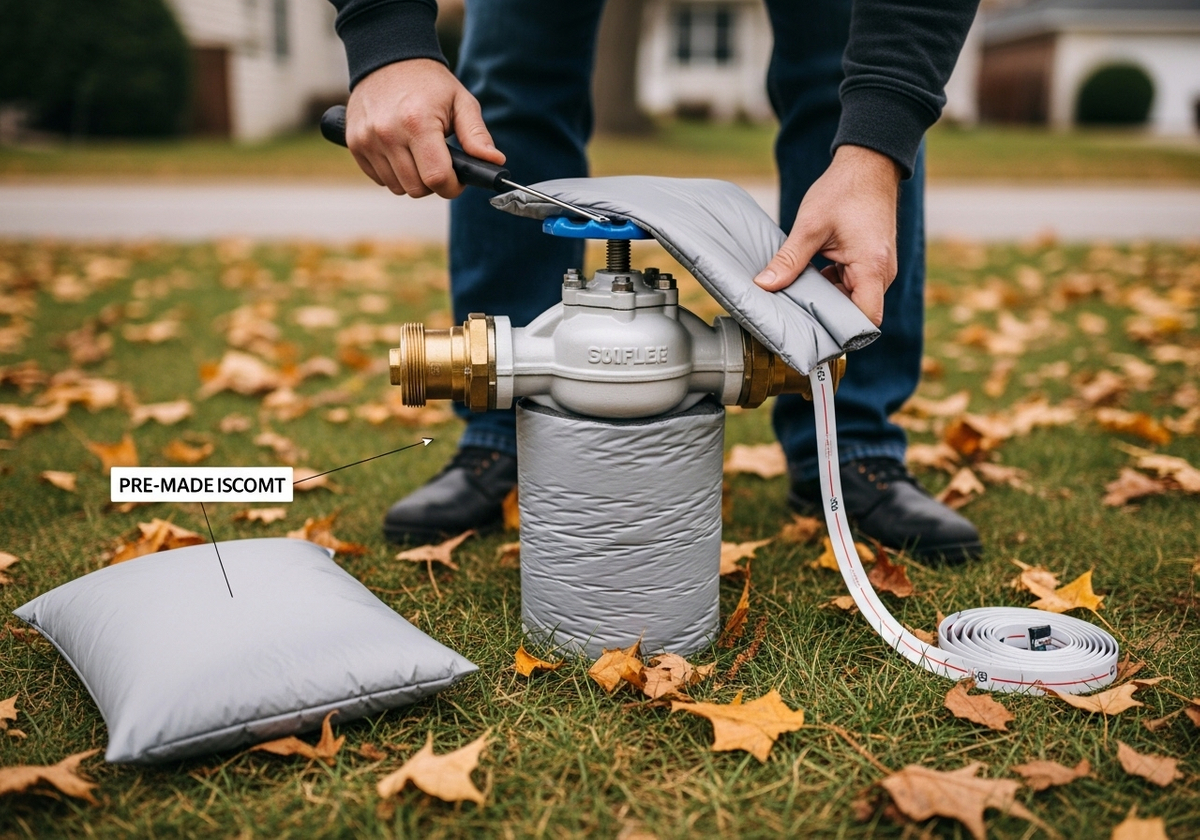
Insulate Above-Ground Components
Protect any above-ground components, such as backflow preventers and pressure regulators, from freezing temperatures. Wrap them with insulation material or heat tape to prevent damage. You can also use insulated pouches or blankets specifically designed for this purpose.
Disconnect and Store Controller
If your irrigation controller is located in an unheated area, disconnect it and store it in a warm, dry place. This will protect it from moisture and temperature fluctuations that can damage the electronic components.
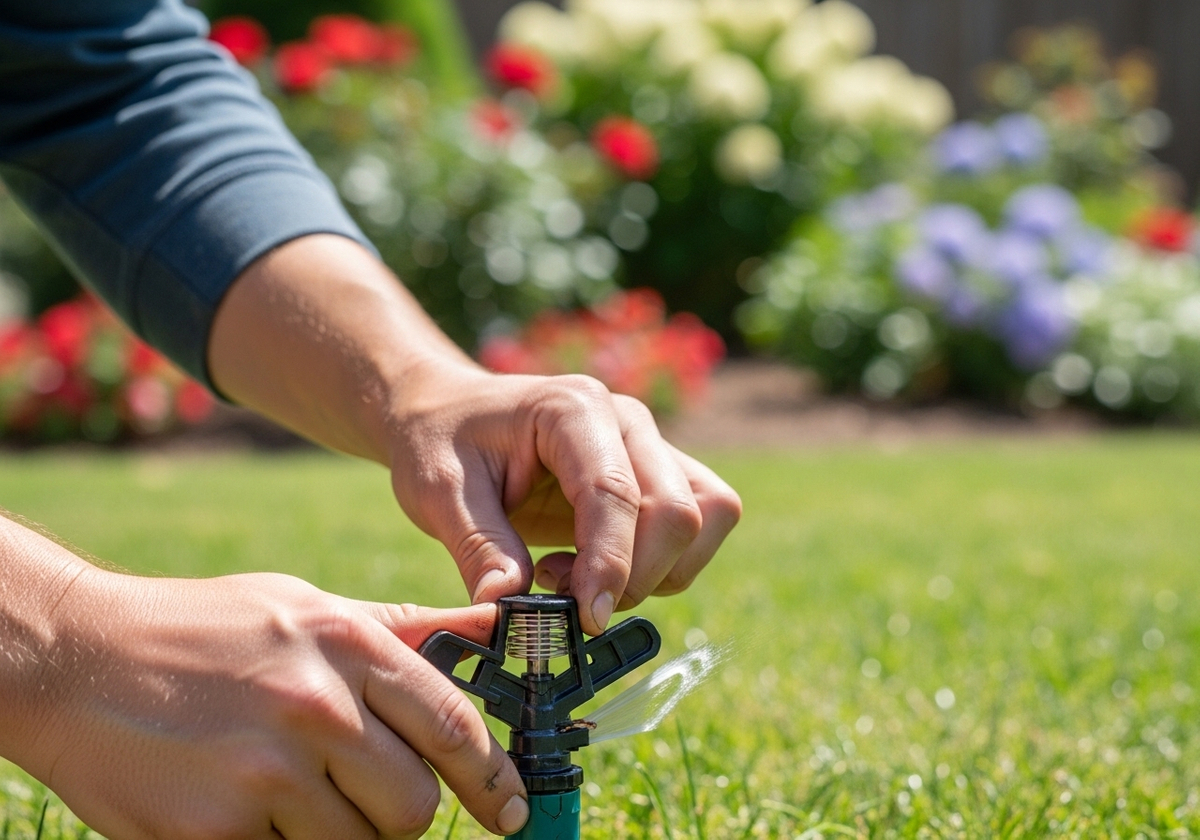
Inspect Sprinkler Heads
Take the time to inspect your sprinkler heads for any signs of damage or wear. Replace any broken or malfunctioning heads before winterizing the system. This will ensure your system is in good condition when you start it up in the spring.
Winterizing your irrigation system is a critical step in maintaining its longevity and performance. By following these essential tips, you can protect your investment and ensure your system is ready to go when the weather warms up. Remember, proper preparation can save you time, money, and headaches in the long run.
At Tradewind Irrigation, we've been helping homeowners and businesses in the contractor industry, since 1990, protect and maintain their irrigation systems for over 35 years. Our experienced, family-owned team of licensed and thoroughly trained professionals can ensure your system is properly winterized, offering you peace of mind throughout the cold season. Contact us today to learn more about our winterization services and how we can help you keep your irrigation system in top condition. You can also call us to learn about our 0% financing for 18 months!