

Understanding your irrigation controller can seem daunting, but it’s a crucial step in maintaining a lush, healthy lawn while conserving water. As pioneers in the field since 1990, Tradewind Irrigation understands the intricacies of these systems better than anyone. Properly configured settings on your automatic water irrigation system can prevent overwatering, save on utility costs, and ensure your landscape thrives season after season. This guide will help homeowners decode their controller settings with clarity and confidence.
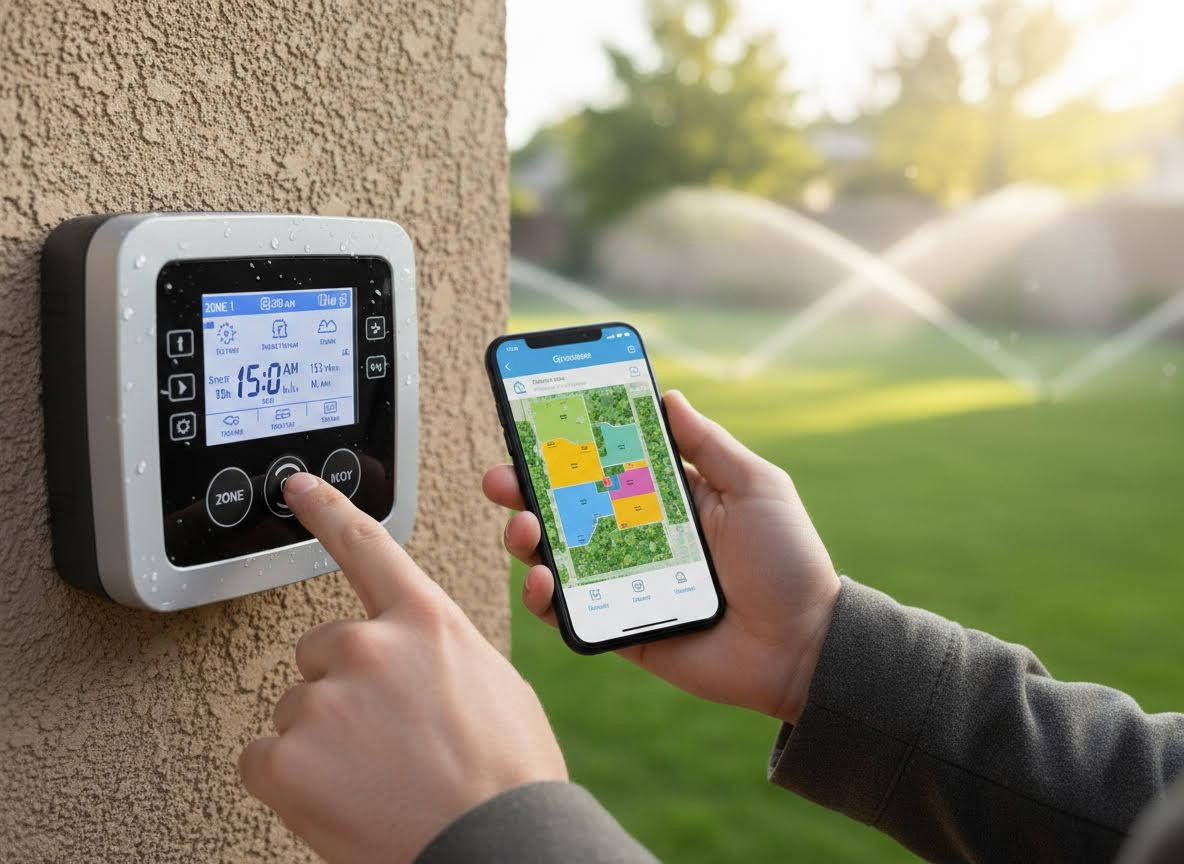
Basic Controller Functions Explained
At its core, an irrigation controller manages when and for how long your lawn receives water through its sprinkler system. Most controllers, whether traditional or smart, operate on similar fundamental principles. You'll typically find settings for zones, start times, run times, and frequency. Each zone corresponds to a specific area of your yard, allowing for tailored watering based on the unique needs of different plant types or sun exposure. Setting the correct start times dictates when the watering cycle begins, while run times determine the duration for each zone. Understanding these basic functions is the first step to optimizing your watering schedule.
Optimizing Run Times and Watering Frequency
The effectiveness of your sprinkler system largely depends on how well you set its run times and frequency. Overwatering can lead to shallow root growth and disease, while underwatering can stress plants. Consider factors like soil type – sandy soils drain quickly and may need shorter, more frequent watering, while clay soils retain water longer and benefit from less frequent, deeper cycles. Plant types also matter; a vegetable garden has different needs than a shaded flower bed. Local weather conditions, such as temperature, humidity, and rainfall, should also influence your adjustments. A well-optimized schedule ensures water penetrates deep into the soil, encouraging robust root systems and a resilient landscape.
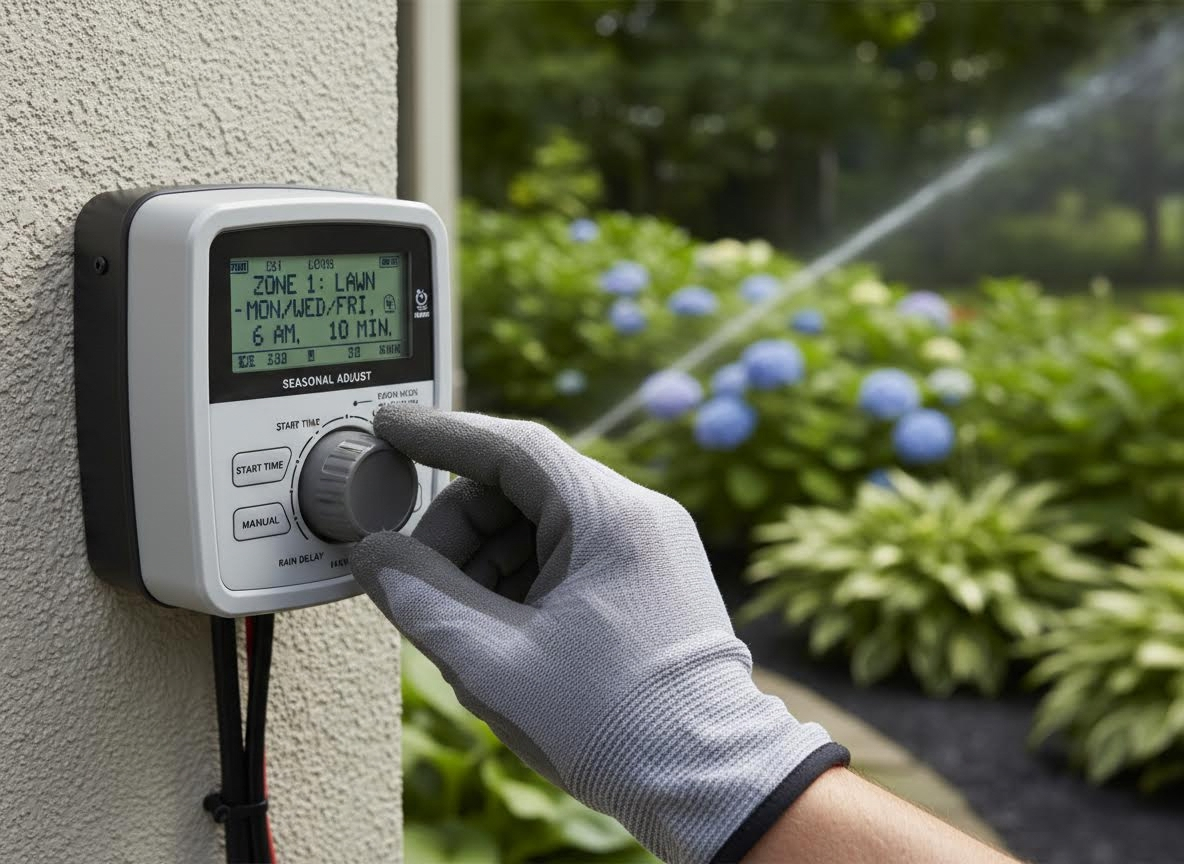
Seasonal Adjustments and Ongoing Care
Your landscape's watering needs change significantly with the seasons, making seasonal adjustments to your irrigation controller essential. In spring, as temperatures rise and plants emerge from dormancy, you'll gradually increase watering. Summer often demands the most water, but it's important to water deeply and efficiently, especially during peak heat. As fall approaches, reduce frequency to prepare plants for dormancy, and ensure your system is properly winterized to prevent damage from freezing temperatures. Regular checks and sprinkler maintenance are also vital throughout the year. This includes inspecting for leaks, clogged nozzles, or areas needing sprinkler system repair to ensure your system operates efficiently and effectively.
Enhancing Efficiency with Modern Features
Modern automatic water irrigation systems often come equipped with advanced features that can further optimize water usage and convenience. Rain sensors can automatically pause watering cycles when precipitation is detected, preventing unnecessary irrigation. Smart controllers, with Wi-Fi connectivity, allow you to manage your system remotely via a smartphone app and can even integrate with local weather forecasts to adjust schedules automatically. These features contribute to a more efficient and responsive irrigation design, ensuring that your landscape receives precisely the right amount of water at the right time, minimizing waste and maximizing plant health.

Taking Control of Your Landscape's Hydration
Mastering your irrigation controller settings is a key component of effective lawn care, empowering you to maintain a vibrant landscape and conserve water. By understanding basic functions, optimizing watering schedules, making seasonal adjustments, and utilizing modern features, you can ensure your automatic water irrigation system performs at its best. If you're looking to upgrade your current setup, need an inspection, or are considering a new installation with a custom irrigation design, learning more about the capabilities of a professional team can guide your decisions.